 پارسی
پارسی
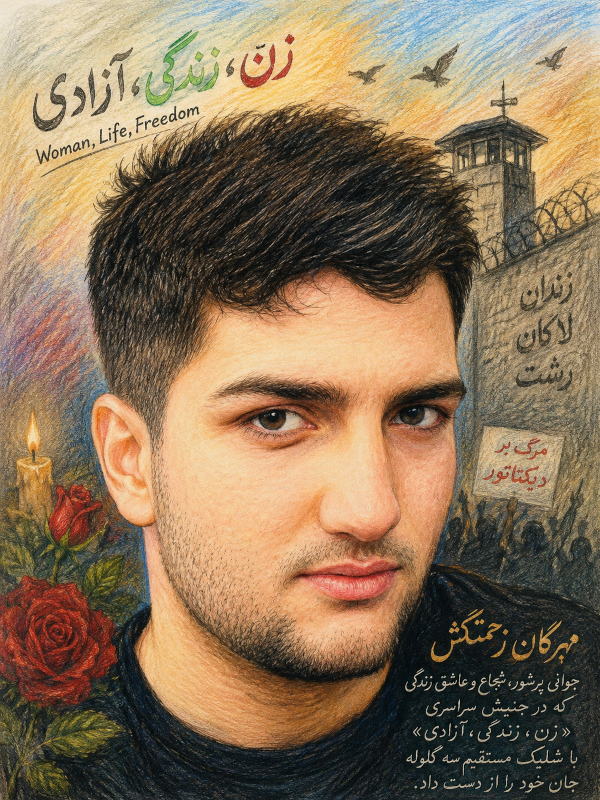
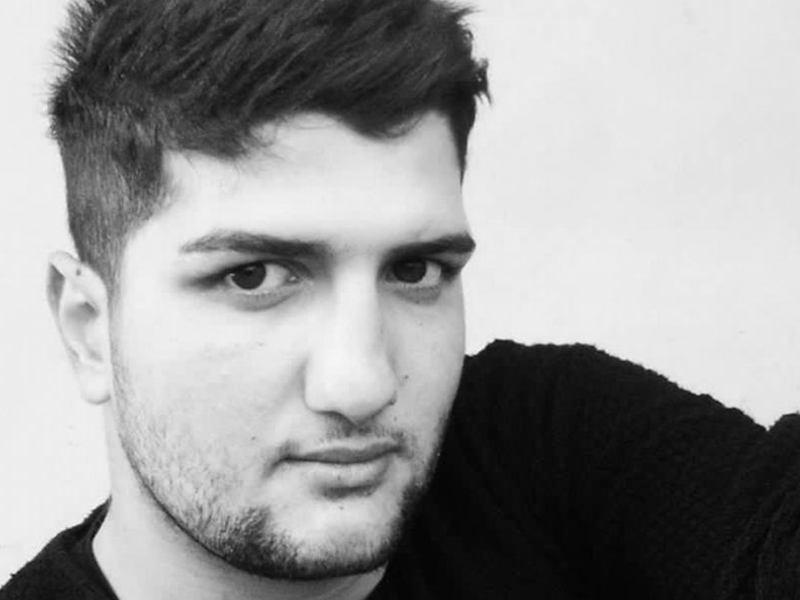
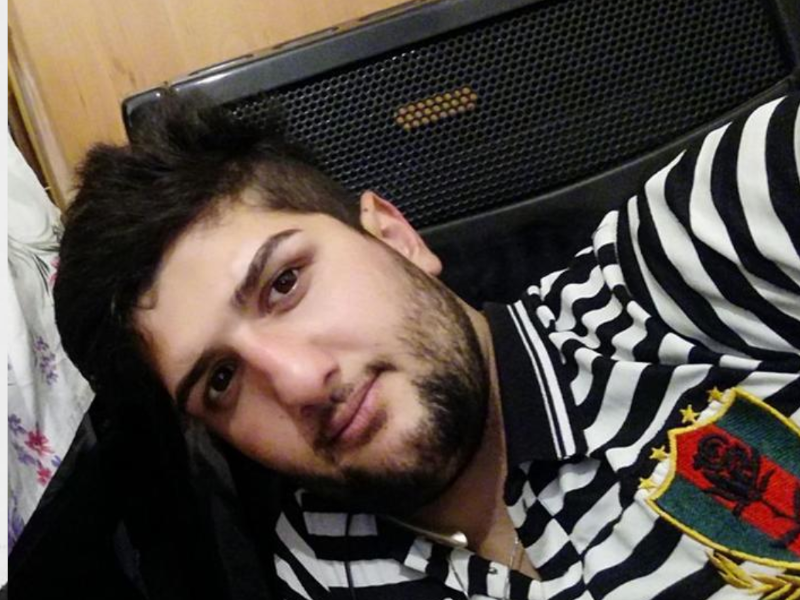
Mehrgan Zahmatkesh
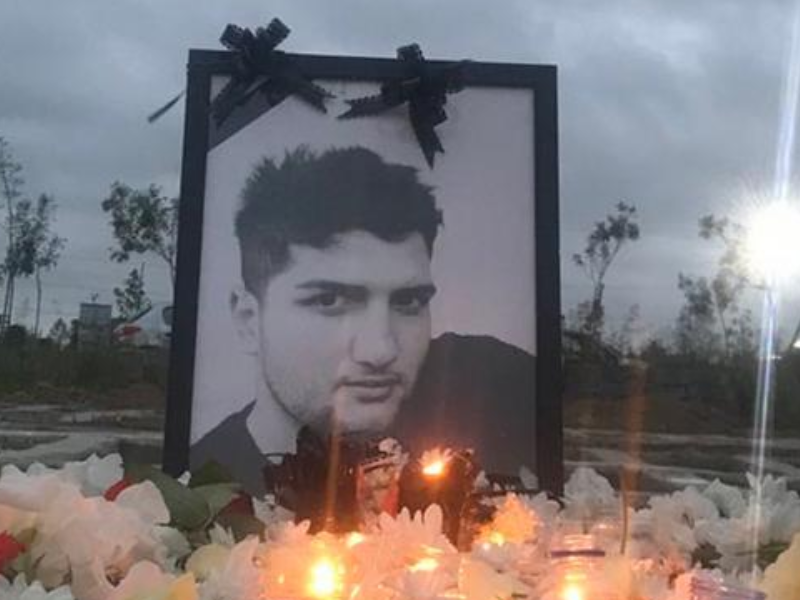
Mehrgan Zahmatkesh ( October 20, 1992 – October 9, 2022)
Mehrgan Zahmatkesh was a lively, fearless young man who loved life deeply. He was supposed to celebrate his thirtieth birthday on October 20, 2022, but eleven days earlier, on October 9, his life was cut short inside Lakan Prison in Rasht after prison forces shot him with three live bullets. Those who knew him remember him as constantly smiling, energetic, and full of dreams. He loved collecting antiques and old objects and hoped one day to open a café where he could display his collection for everyone to see. His motorcycle was one of the most important parts of his life.
Although his prison sentence had already ended months earlier, he remained imprisoned because part of a financial penalty still had not been paid. He was being held in Ward 4 of Lakan Prison and was expected to be released soon. In the final weeks before his death, he called his family almost every day. In one of his last conversations, he said with regret: “They say a revolution is happening. I should have been outside now.”
During those calls, Mehrgan told his family that two prison wards had been emptied and filled with newly arrested protesters, many of them teenagers. Some were reportedly underage. He said he felt heartbroken for them because prison guards were treating them harshly, and he tried to help and support the younger detainees whenever he could.
On the morning of October 9, 2022, before news of unrest spread publicly, special security forces had already entered Lakan Prison. According to accounts later gathered from prisoners and their families, pressure and violence against detained protesters escalated throughout the day. Shouting and screaming could be heard from the prison corridors, and other prisoners began protesting in solidarity with the young detainees.
Soon afterward, special forces stormed the prison wards and fired tear gas inside the enclosed building. Witness accounts later claimed that several prisoners suffocated or suffered severe breathing problems. As smoke, panic, and chaos spread, prisoners set fire to blankets in desperation. Eventually, the situation became so intense that prison officials opened the ward doors while retreating themselves.
In the middle of the chaos, Mehrgan and several other prisoners managed to leave their ward and run through the main corridor toward the prison yard and entrance gate. At that moment, prison officers positioned above the walls opened fire on them. Mehrgan was shot from behind. One bullet struck his left thigh, another hit his kidney and spleen area, and a third struck his ankle.
According to sources close to the family, the shooting happened around 3 to 4 p.m., but the wounded prisoners were left without medical assistance for hours. An ambulance driver later reportedly told families that ambulances had been forced to wait outside the prison gates for nearly five hours because prison authorities refused to allow them inside. Many of the injured bled to death before receiving treatment. Some death certificates reportedly listed the cause of death as “shock caused by severe bleeding.”
For two days, Mehrgan’s family searched hospitals across Rasht, desperately trying to find him. No one gave them clear information. Finally, they received a phone call asking them to come identify his body. His remains had been kept in the morgue of Poursina Hospital the entire time.
Official documents described the cause of death as “impact from a high-velocity metal projectile.” During the legal process of receiving his body, the family reportedly saw a list containing the names of twelve people who had allegedly been killed that same night by live ammunition inside the prison. Mehrgan’s name—registered officially as Hassan, though everyone had called him Mehrgan since childhood—appeared as the ninth name on the list.
Security officials then refused the family permission to bury him in their family burial site at Tazeh-Abad Cemetery in Rasht. Instead, they were ordered to bury him in Behesht-e Rezvan Cemetery. According to people close to the family, authorities initially even attempted to place him in a burial section designated for COVID victims, but after strong protests from his relatives, the family was finally allowed to choose another section. Mehrgan was ultimately buried in Section 15 of Behesht-e Rezvan, beside other victims of the protests.
His death devastated his family. His father, a veteran of the Iran-Iraq War who was already battling cancer, reportedly suffered a major decline in health afterward and was hospitalized again. His mother was said to be overwhelmed by grief and unable to recover from the loss of her son.
In the weeks that followed, the family also faced intimidation and pressure. They were warned not to speak publicly about what had happened to Mehrgan and were threatened with legal consequences if they communicated with foreign media. At the same time, some officials reportedly encouraged families of the victims to file complaints against “rioters” instead of seeking accountability for the shootings inside the prison.
Despite the pressure, Mehrgan’s family and several other families have continued trying to pursue legal action and uncover the truth about what happened inside Lakan Prison that day — the day a young man full of dreams and hope, only days away from his thirtieth birthday, lost his life forever.