 پارسی
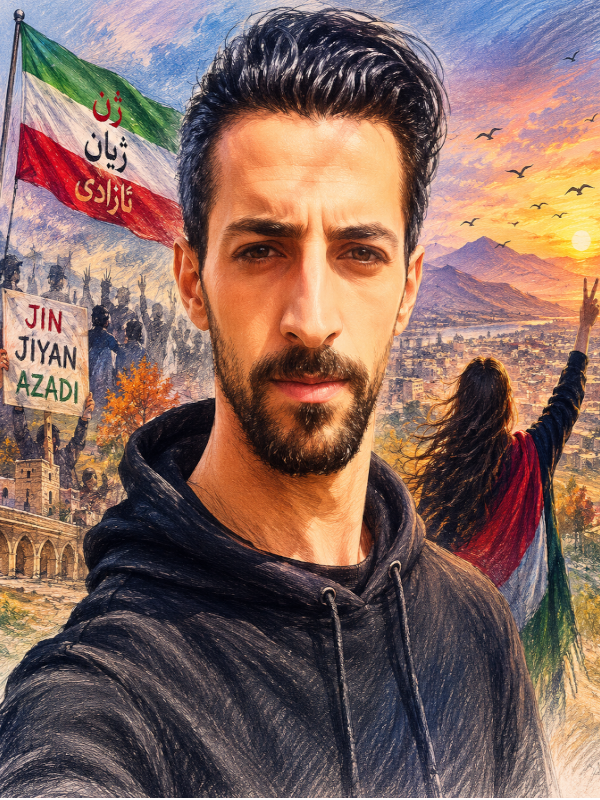
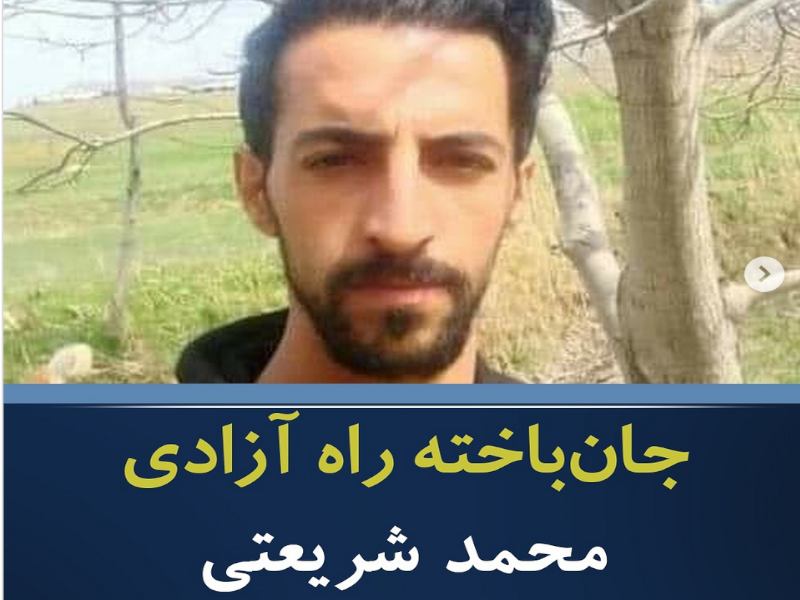
Mohammad Shariati
Mohammad Shariati (January 5, 1991 – October 26, 2022)
On Wednesday, October 26, 2022, marking the 40th day after the death of Jina (Mahsa) Amini, cities across Kurdistan and many parts of Iran witnessed one of the largest waves of public protests. That day became a major turning point in the “Jin, Jiyan, Azadi” (“Woman, Life, Freedom”) uprising — a movement driven by demands for freedom, dignity, and an end to state repression. In Sanandaj, Mahabad, and Qasr-e Shirin, Iranian security forces heavily deployed across the streets and used live ammunition and pellet guns against protesters. At least five Kurdish civilians were killed that day alone, while the number of Kurdish victims during the first forty days of the uprising rose into the dozens.
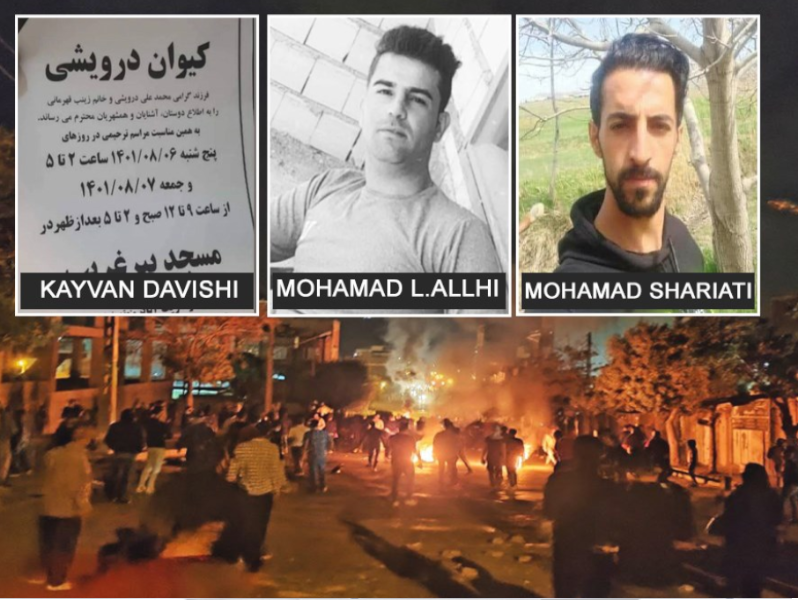
On the evening of October 26, several neighborhoods in Sanandaj, including “Kamarbandi 25” and “Naysar,” became scenes of direct gunfire by government forces. Amid the smoke, gunshots, and chants of protesters, Mohammad Shariati, Mohammad Lotfollahi, and Keyvan Darvishi were shot and killed. At the same time, Afshin Asham was killed in Qasr-e Shirin, and Esmail (Samko) Moloudi lost his life during protests in Mahabad.
Mohammad Shariati, born on January 5, 1991, was originally from Muchesh and lived in Sanandaj. He worked as an auto body repairman. After the death of his older brother from a stroke, he had taken responsibility for caring for his young nephew. Friends and relatives described him as compassionate, honorable, and deeply committed to his people — someone who could not remain silent in the face of injustice.
Before leaving home that day, his mother asked him not to join the protests. Mohammad replied:
“Mother, how can I stay home while the women and daughters of our people are out in the streets?”
Later that evening, in the Kamarbandi 25 area near Dr. Hosseini Boulevard in Sanandaj, Mohammad was struck by direct fire from Iranian security forces. According to reports, live bullets, pellets, and tear-gas projectiles hit his spine and liver. He died from the severity of his injuries.
In the same area, Keyvan Darvishi was also killed after pellets struck vital parts of his body. However, his death certificate reportedly listed the cause of death as “cardiac arrest.” Mohammad Lotfollahi, meanwhile, was wounded in the Naysar neighborhood and later arrested. Reports state that he was severely beaten inside a security forces’ van before being transferred to an unknown location. His body was returned to his family the following day, bearing visible signs of bruising and torture.
At the same time in Qasr-e Shirin, 28-year-old Afshin Asham was killed by direct gunfire. After his death, security forces reportedly transferred his body to a Revolutionary Guard facility in Kermanshah, and his family was allegedly asked to provide a heavy bail payment in order to retrieve his body. In Mahabad, 35-year-old Esmail (Samko) Moloudi was also killed by government gunfire during the protests. After his death, his family reportedly came under pressure to accept the authorities’ official narrative.
Reports also indicate that some victims from Sanandaj, including Mohammad Shariati, were buried at night under pressure from security agencies, while families were threatened and warned not to speak publicly or communicate with media outlets. Despite this, mourners gathered at funerals and gravesites chanting:
“Martyrs never die.”
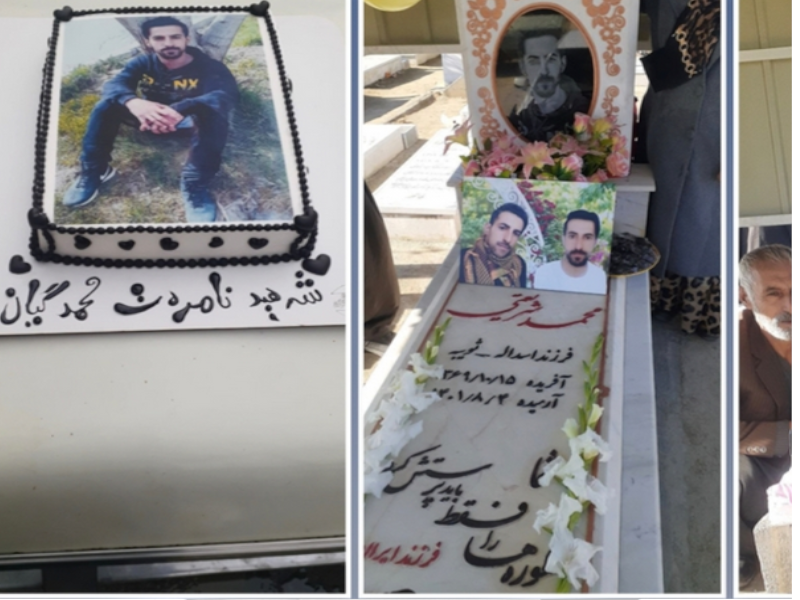
On Mohammad Shariati’s gravestone, the words were written:
“You will not die, my eyes.”
His mother, overwhelmed with grief, said at his grave:
“My son left without saying goodbye, and he never came back.”
Months later, on the eve of Nowruz, the families of Mohammad Shariati and other victims of the uprising laid Haft-Seen tables beside the graves of their loved ones — an image that became, for many, a symbol of mourning, remembrance, and continued resistance.