 پارسی
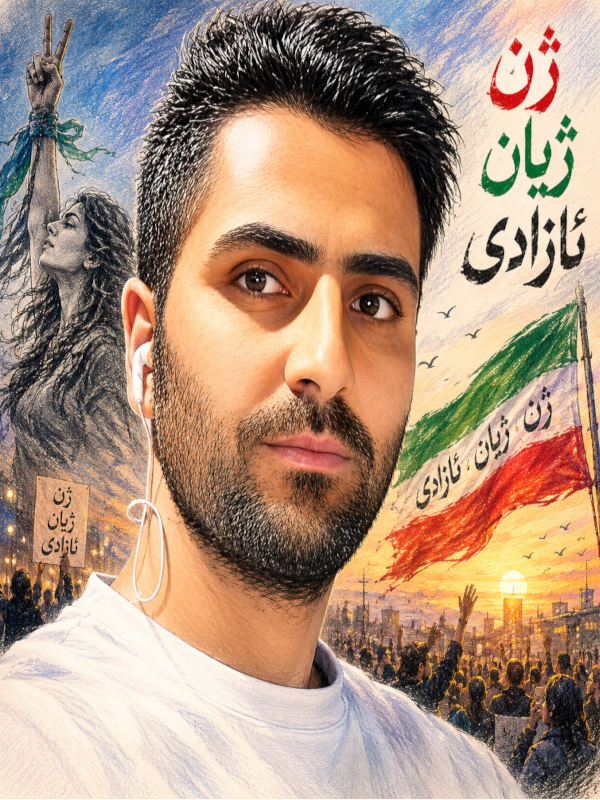
Afshin Asham
Afshin Asham (February 10, 1991 – November 4, 2022)
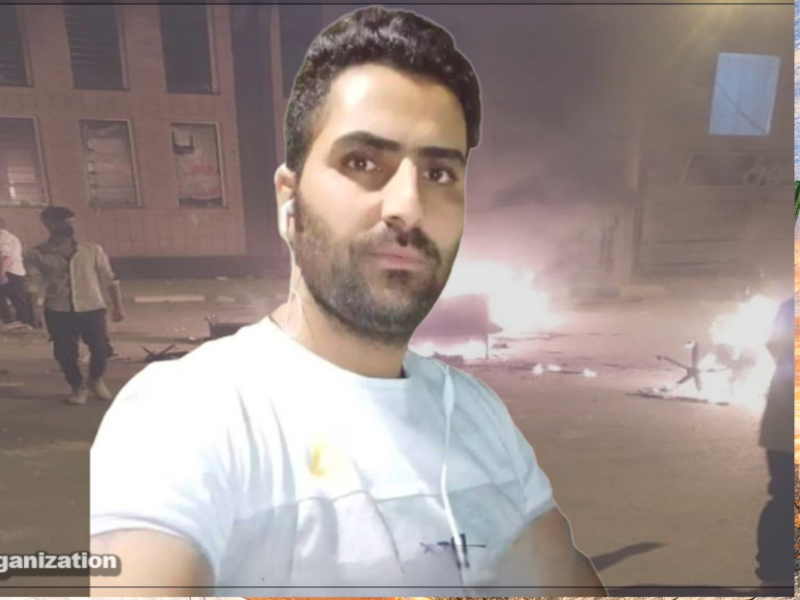
Afshin Asham was a 28-year-old Kurdish man, born on February 10, 1991, in the village of Sorkhak Sanjabi, near Eslamabad-e Gharb in Kermanshah Province. He later lived in the Paliabad neighborhood of Qasr-e Shirin. In 2006, he moved to Qasr-e Shirin with his family in search of a better life. He held an associate degree in agriculture and worked as a farmer in the scorching plains of western Iran.
Afshin came from a hardworking family and built his life through labor and persistence. He did not own farmland himself, so he rented several hectares of land together with a friend in order to farm and support his family. Before that, he had spent years working in a factory in Eshtehard to save enough money to buy a Pride car, but later lost his savings in Iran’s collapsing stock market. Despite repeated hardships, he continued working tirelessly, taking on any job he could find to improve his family’s situation.
Friends and relatives described him as kind-hearted, compassionate, and deeply empathetic. He celebrated the happiness of others and suffered alongside those in pain. Like many young people in Iran, the death of Jina (Mahsa) Amini deeply affected him. Long before the nationwide uprising began, he openly opposed the Islamic Republic and dreamed of a future in which Iran would be free from authoritarian rule and young people could live with dignity and hope.
After the killing of Jina Mahsa Amini in September 2022 and the beginning of the “Woman, Life, Freedom” uprising, Afshin became more outspoken. Through social media posts and stories, he openly criticized the government and wrote about the suffering and frustration of ordinary people. Those close to him say he knew the risks, yet chose not to remain silent.
In the months leading up to his death, Afshin had started a corn farm with a friend and spent nearly all of his time working there. On the afternoon of November 4, 2022, he called his mother, as he often did, asking her to prepare dinner before he returned briefly from the farm. But on his way through Bala Afshar Square in Qasr-e Shirin, he encountered large anti-government protests taking place on the fortieth day after Mahsa Amini’s death. He decided to join the demonstrators.
That evening, security forces opened fire on protesters in Qasr-e Shirin. According to eyewitnesses and human rights reports, Afshin Asham was directly targeted by government forces. Some reports state he was shot in the head, while others report gunfire to his chest and abdomen. Witnesses also stated that after he fell, security forces fired shotgun pellets into his body. He died that same night.
Following his killing, Iranian security forces reportedly seized his body and transferred it to Kermanshah. His family faced pressure, threats, and obstacles while attempting to recover his remains. Reports indicate that authorities demanded a bail payment of 250 million tomans before releasing his body. The family was also prevented from burying him in Qasr-e Shirin.
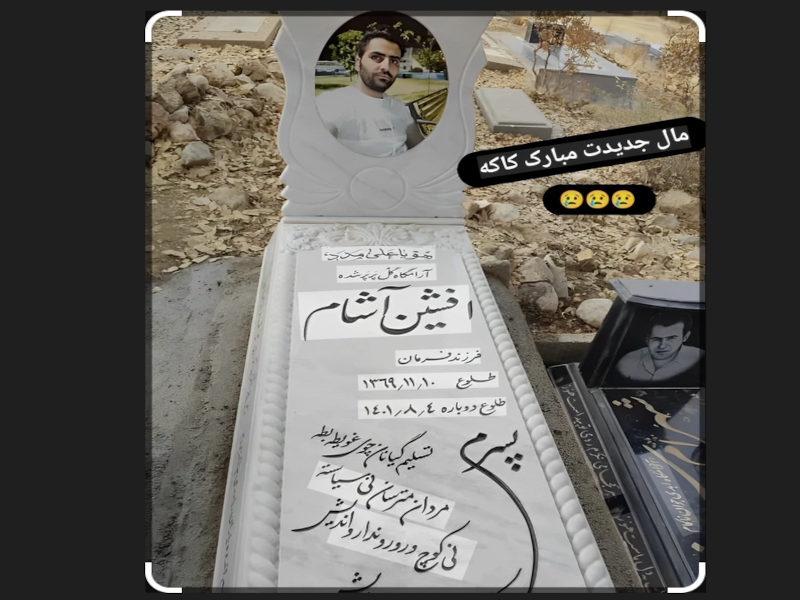
Finally, on November 6, 2022, Afshin Asham was laid to rest in his hometown of Sorkhak Sanjabi. Thousands of mourners attended his funeral, where anti-government slogans were chanted and his memory was honored as one of the victims of the “Woman, Life, Freedom” uprising.
Just days before his death, Afshin had written to a friend:
“One of these days, they will hang both of us in Bala Afshar Square, and we will become symbols of freedom for Qasr-e Shirin.”
In the end, he was killed in that very square — and his name became part of the collective memory of resistance and loss in Kurdistan and across Iran.
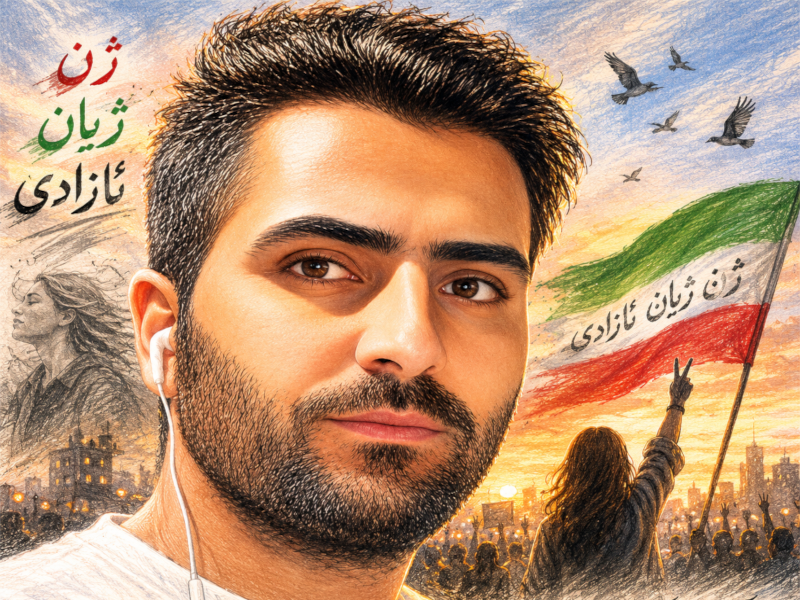
Afshin Asham (February 10, 1991 – November 4, 2022)