 پارسی
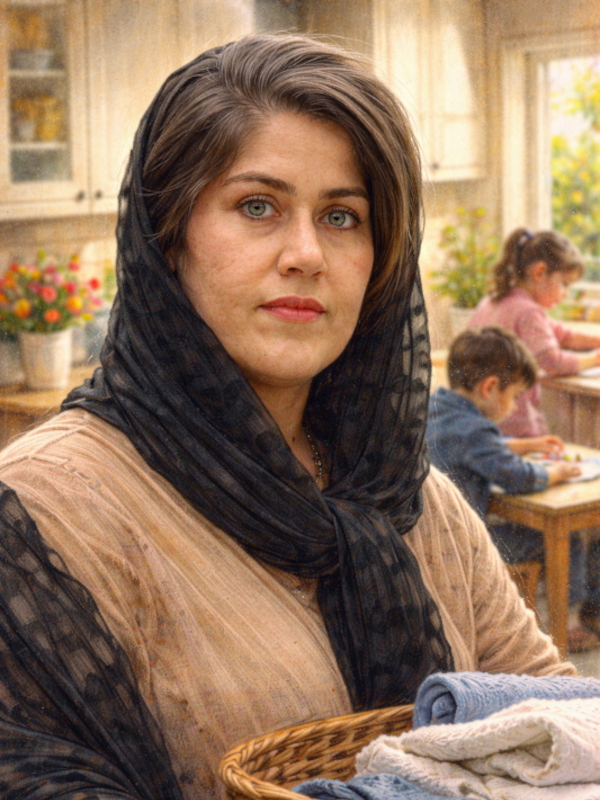
Farshteh Ahmadi
Farshteh Ahmadi(October 28, 1990 – October 27, 2022)
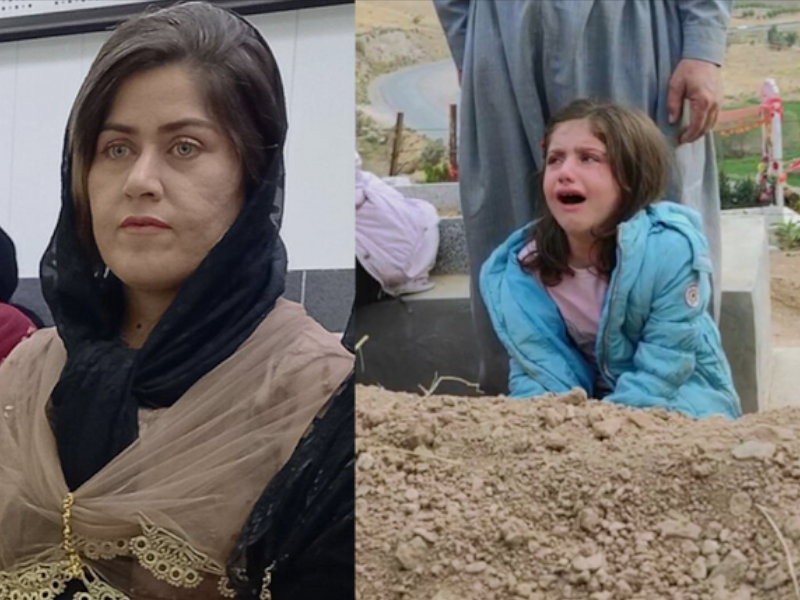
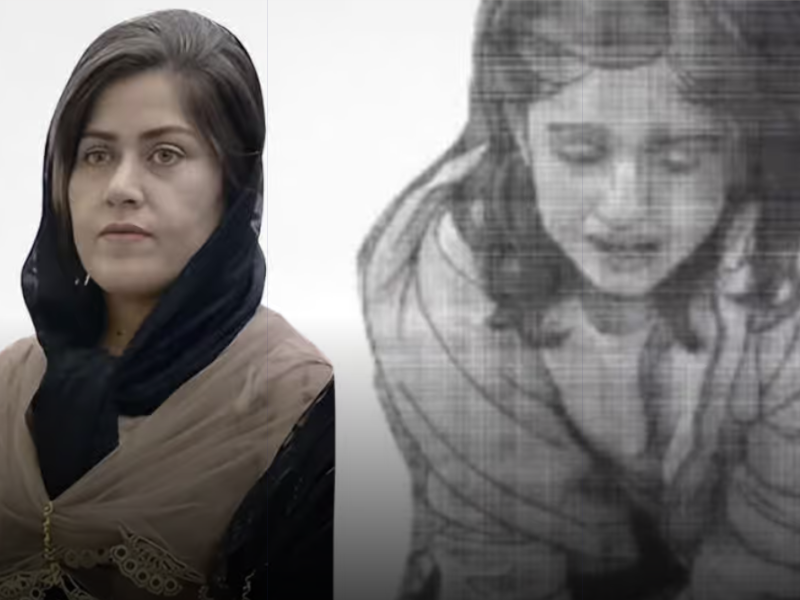
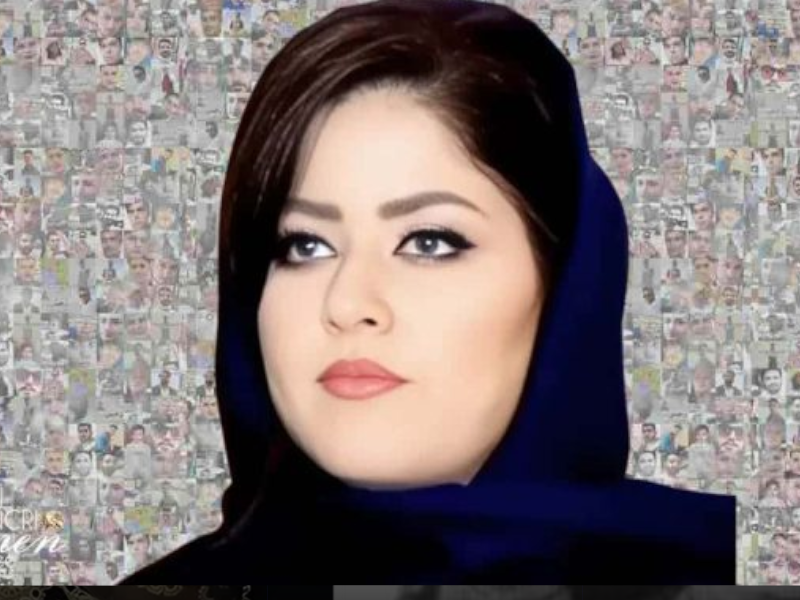
Farshteh Ahmadi, born in 1990 in Sardasht, was an Iranian citizen living in Mahabad and the mother of two young children. On October 27, 2022, during the nationwide protests in Iran, she lost her life after being shot in the chest.
On the evening of that day, as protests were taking place across Mahabad, Farshteh Ahmadi was on the rooftop of her home when she was struck by a direct gunshot fired by security forces. According to reports from sources including the Hengaw Organization and statements by her brother, Ebrahim Ahmadi, the shot was fired by government forces. However, officials of the Islamic Republic claimed that she was not killed during the protests and that her death resulted from a shooting inside her home—an account rejected by her family.
Following her death, security forces attempted to carry out her burial at night, but her family strongly opposed this. Eventually, her funeral was held on Friday, October 28, 2022, in the village of Hamzeh Abad near Mahabad. Authorities did not permit the transfer of her body to her hometown of Sardasht.
The funeral took place under the presence and pressure of security forces. During the مراسم, images of her young daughter, Bavan, grieving at her mother’s grave quickly spread across social media, drawing widespread reactions both داخل and outside Iran. These images became a powerful symbol of the انسانی cost of the events.
Farshteh Ahmadi was 32 years old and the mother of two children—a six-year-old daughter and a three-year-old son. After her death, her children were left to face life without their mother, a loss they are still too young to fully comprehend, yet one that profoundly shapes their daily lives.
Over time, Farshteh Ahmadi’s name has come to stand alongside others who lost their lives during the 2022 protests. The movement, widely known by the slogan “Woman, Life, Freedom,” amplified the voices of millions. Names such as Mahsa, Nika, Sarina, Mohsen, Majidreza, Zaniar, and many others have each become symbols of resistance and the demand for freedom.
Her brother, Ebrahim Ahmadi, has also shared his account of the الأحداث—describing the moment he received the news, the pressure placed on the family, and the conduct of security forces during the funeral. He also speaks of Bavan and Miran, whose images of grief touched people around the world.
Today, years after her death, Farshteh Ahmadi remains not only a فرد, but a symbol of loss, resilience, and the ongoing struggle for freedom—her story continuing to live on in the collective memory of many.