 پارسی
پارسی
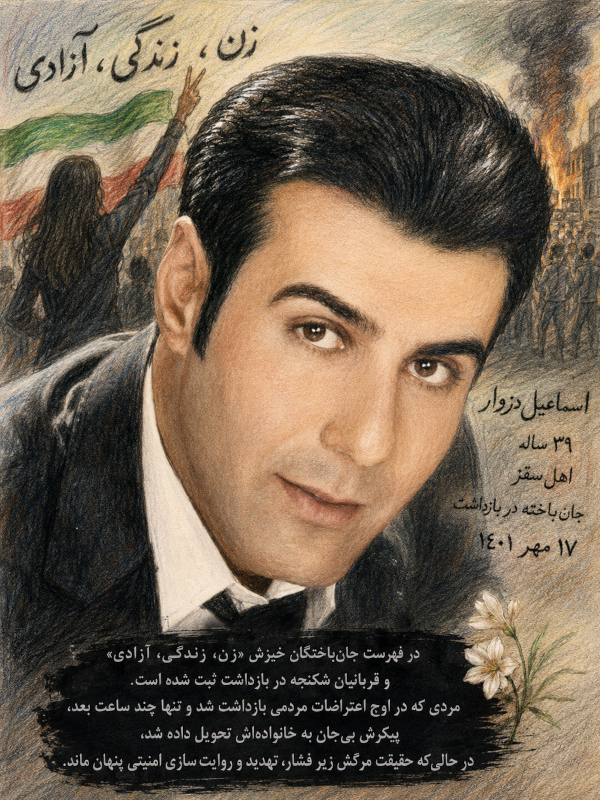
Esmail Dezvar
Esmail Dezvar (September 21, 1983 – October 17, 2022)
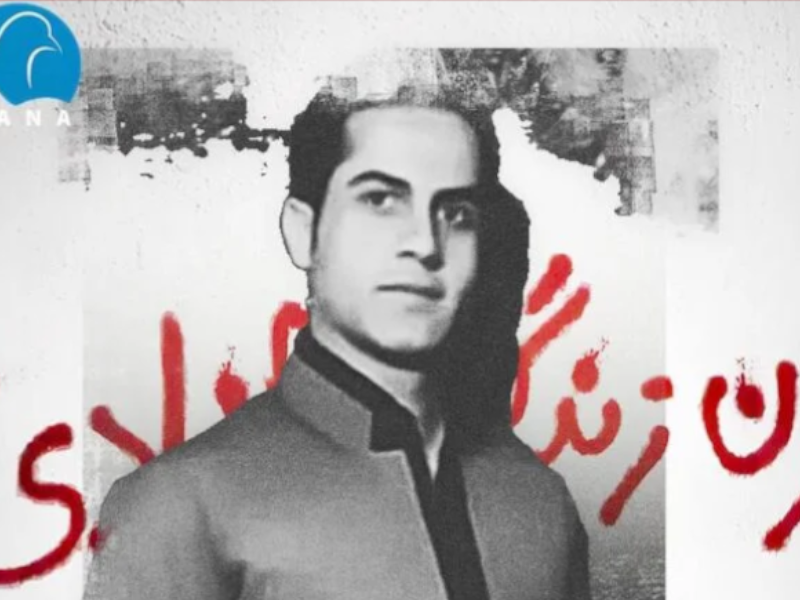
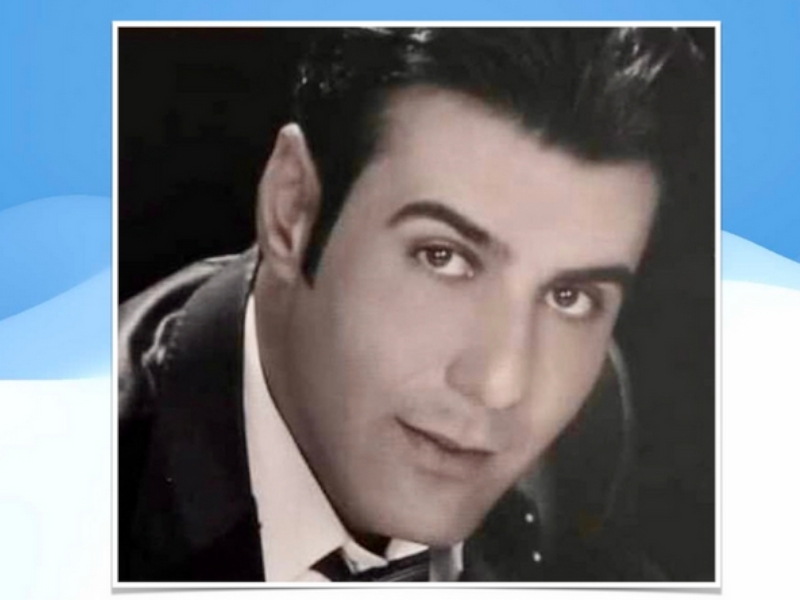
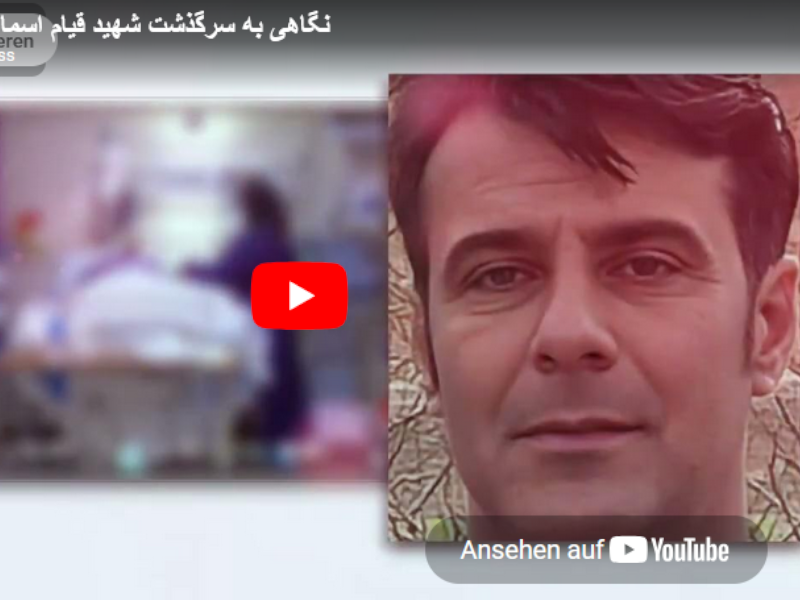
Esmail Dezvar (also reported as Dezdar) was born on September 21, 1983. He was a 39-year-old Kurdish man from Saqqez, married, and the father of an infant child. He became one of the victims of the “Woman, Life, Freedom” uprising that erupted after the state killing of Jina (Mahsa) Amini.
On October 17, 2022, during the nationwide protests spreading across Kurdish cities and the rest of Iran, Esmail Dezvar was driving a gray Peugeot belonging to his sister near Khorshidi Square toward the Bukan terminal in Saqqez. Demonstrations were taking place nearby, and security forces from the IRGC Intelligence Organization and public security units had been deployed in the area.
According to eyewitnesses and informed sources, Dezvar was driving normally on the opposite side of the boulevard when security agents suddenly ran toward his vehicle. Officers reportedly sprayed pepper spray at him, causing him to lose control of the car. Moments later, several agents attacked the vehicle, dragged him out through the driver’s side window, and brutally beat him in the street in front of bystanders. Witnesses stated that the violence appeared intended to intimidate protesters and demonstrate the power of the security forces.
After the assault, Esmail Dezvar was taken to an IRGC Intelligence detention center located on Enghelab Boulevard in Saqqez. Sources later reported that his condition deteriorated rapidly as a result of the severe beatings and torture he endured while in custody.
Roughly fifteen minutes later, security agents transferred him to Shafa Hospital in Saqqez. However, hospital staff reportedly realized upon arrival that he had already died several minutes earlier. Medical personnel initially refused to admit him because he showed no signs of life, but according to witnesses, security forces pressured and threatened hospital staff into taking him to the emergency resuscitation unit. Attempts to revive him failed.
Reports from human rights organizations stated that Esmail Dezvar’s body showed clear signs of severe physical abuse, including bruising and serious injuries to his chest and rib area. Despite this, authorities attempted to conceal the circumstances surrounding his death.
Security officials informed the family that Esmail had died in a car accident caused by the “rupturing” of his heart after impact with the steering wheel. Yet the official death certificate listed the cause of death as “unknown,” raising further suspicion about the state’s account of events.
Following his death, members of his family were summoned to IRGC Intelligence offices for questioning and identification of the body. According to reports, relatives were forced to sign documents acknowledging the official narrative before being allowed to see him in the morgue.
Pressure on the family intensified afterward. Sources stated that intelligence agents threatened relatives and warned them not to speak publicly about the case. They allegedly told the family that if any information was released, a detained relative named Zanyar Hosseinzadeh could face execution. Under these threats, the family was forced to state publicly that Esmail had died in a traffic accident.
His body was transferred under heavy security presence to Aychi Cemetery in Saqqez and buried quickly. Authorities also reportedly prevented memorial ceremonies traditionally held on the third, seventh, and fortieth days after death. During the fortieth-day gathering, security forces allegedly entered his father’s home by force and pressured him into giving a filmed statement claiming that his son had died in an accident.
Today, Esmail Dezvar is remembered as one of the victims of torture and state violence during the “Woman, Life, Freedom” protests in Iran — a man who was arrested during a period of nationwide unrest and died only hours later in the custody of security forces, while authorities attempted to hide the truth surrounding his death.