 پارسی
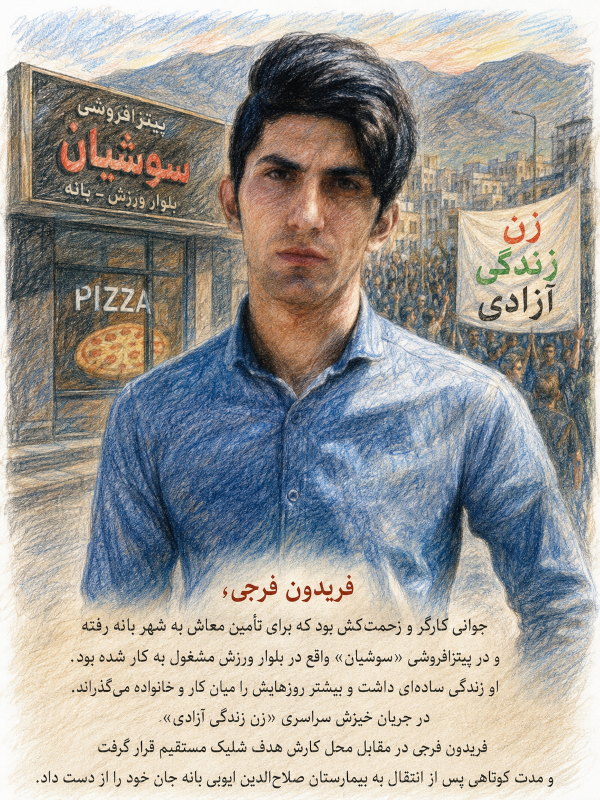
Fereydoun Faraji
Fereydoun Faraji (January 23, 1995 – October 27, 2022)
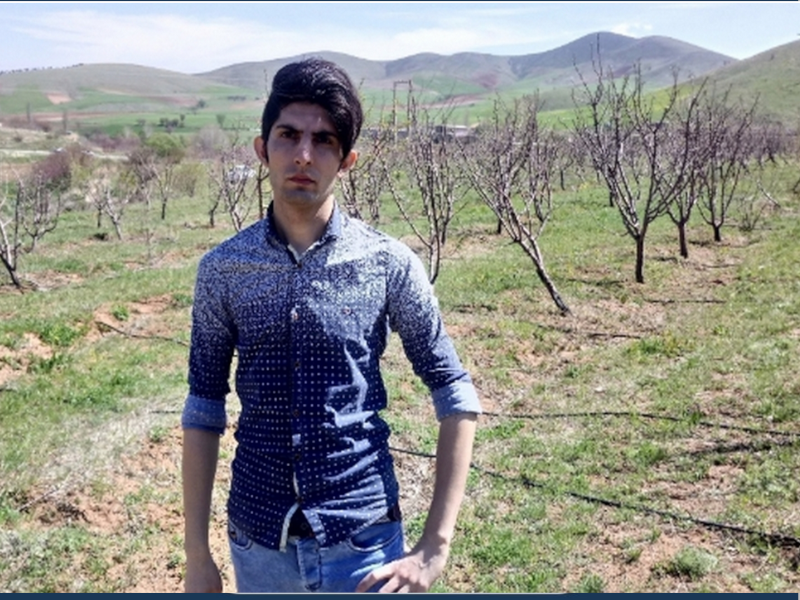
Fereydoun Faraji was born on January 23, 1995 in Saqqez, Kurdistan Province, Iran. He was a hardworking young man who had moved to the nearby border city of Baneh in search of employment. There, he worked at the "Soshian" pizza restaurant on Varzesh Boulevard, earning a living through honest labor and supporting his family.
In the autumn of 2022, following the death of Jina (Mahsa) Amini while in the custody of Iran’s morality police, widespread protests erupted across the country. Kurdistan became one of the central regions of resistance. On October 26, 2022 (4 Aban 1401), the fortieth-day memorial ceremony for Jina Amini in Saqqez drew massive crowds and reignited nationwide demonstrations, spreading from Kurdistan to cities across Iran.
As protests intensified, state repression escalated. On October 26 and 27, 2022, security forces killed at least twelve people across Kurdistan Province. Baneh, a heavily militarized border city long subjected to strict security measures, became one of the focal points of the unrest.
October 27, 2022, was a Thursday. Fereydoun would normally have spent that day traveling back to Saqqez to visit his family, but according to those close to him, he remained in Baneh and continued working at the restaurant. By the evening, large demonstrations had spread through Varzesh Boulevard, where security forces confronted protesters with live ammunition and shotgun pellets.
During the protests, Fereydoun was shot directly in front of his workplace. According to accounts from people familiar with the incident, two live rounds were fired at close range. One struck his left hip, while another hit him near the heart. His body also showed injuries caused by pellet shots. The wounds were catastrophic, and despite being transferred to Salahaddin Ayyubi Hospital in Baneh, he died shortly afterward.
His family learned of his death through friends and acquaintances and rushed to the hospital. After forensic procedures were completed, authorities reportedly imposed strict conditions on the release of his body. Around midnight, his family was told that they could receive his remains only if he was buried the very same night.
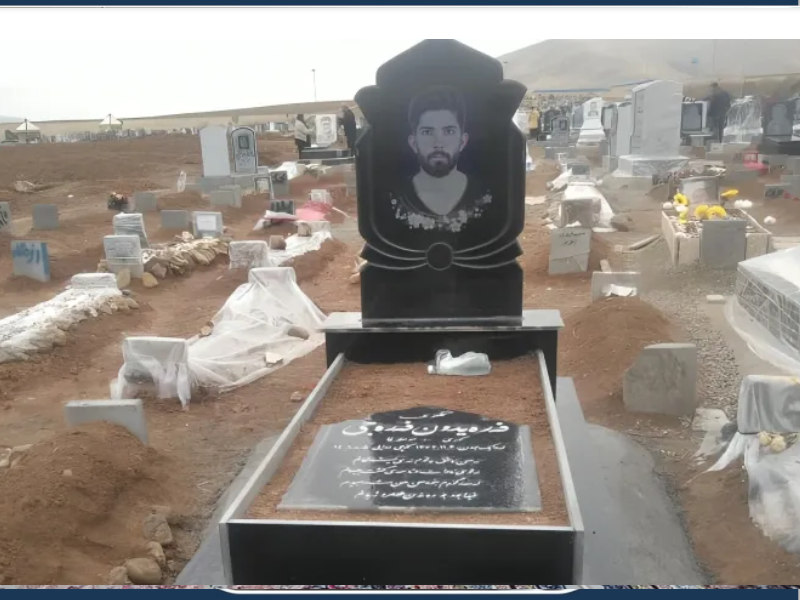
Under heavy security supervision, Fereydoun’s body was transported by ambulance from Baneh to Saqqez. He was buried that night in Aichi Cemetery under the watch of security forces. His family was denied the opportunity to hold a normal funeral or spend meaningful time saying goodbye. The burial took place in an atmosphere of fear, pressure, and surveillance.
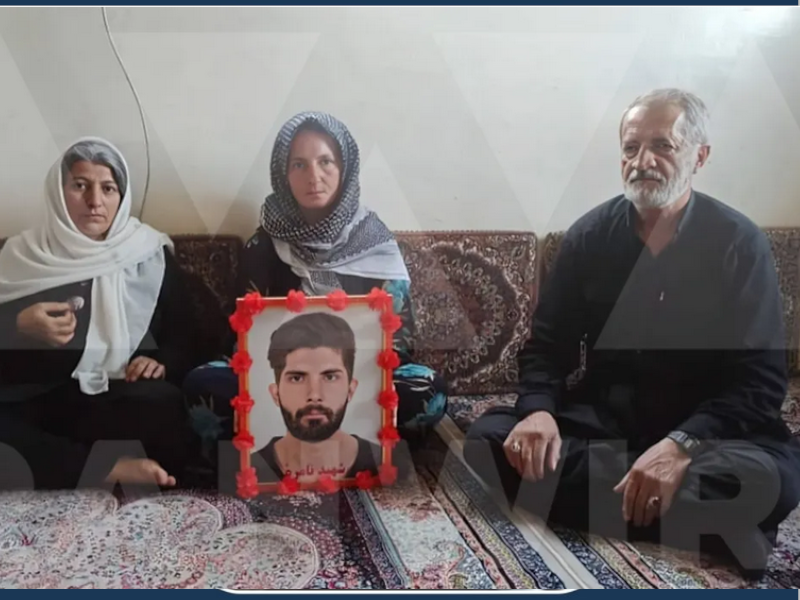
In the months that followed, Fereydoun’s grave became a place of remembrance and mourning. His father, Mostafa Faraji, stood beside his son's grave and made a public vow that became one of the most memorable expressions of grief among the families of those killed during the protests. Speaking in Kurdish, he swore that his son would never be forgotten, that he would continue wearing black in mourning, and that he would not laugh again until justice was achieved.
More than a year later, both of Fereydoun’s parents continued to live with profound grief. His mother, Pari Badsar, spoke of long days spent waiting for visitors, hoping that friends, neighbors, and fellow citizens would stop by and ease the loneliness that followed the loss of their son. She often emphasized that Fereydoun, along with other victims of the protests, belonged not only to their families but to an entire society that had shared their hopes, pain, and aspirations.
The Faraji family remained connected to other bereaved families across Kurdistan. Together, they attended memorial gatherings, supported one another through loss, and continued to advocate for accountability. Their pursuit of justice extended beyond their own tragedy to include concern for political prisoners and others facing severe punishment.
According to those close to the family, they were repeatedly offered financial compensation in exchange for silence regarding the circumstances of Fereydoun’s death. They consistently refused. Family members stated that their son's blood could not be exchanged for money and that their commitment to seeking justice was not negotiable. When attempts at persuasion failed, they reported facing continued pressure and intimidation. Despite this, they remained steadfast in their determination to preserve Fereydoun’s memory and pursue accountability.
Fereydoun Faraji was one of many young people who lost their lives during the nationwide protests of 2022. Although his name may not be as widely known as some others, his story—and the resilience of the family he left behind—has become part of the broader history of those events and the collective memory of a generation.
His name continues to be remembered:
Fereydoun Faraji (1995–2022).