 پارسی
پارسی
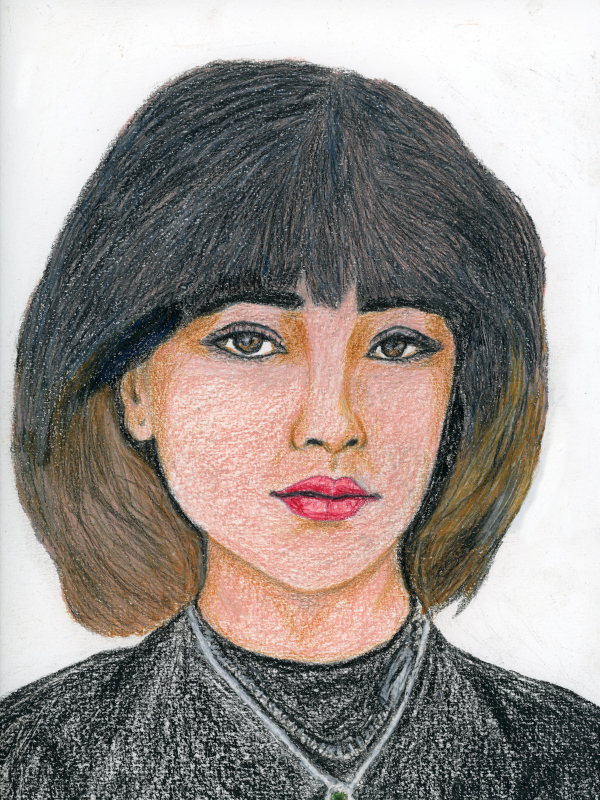
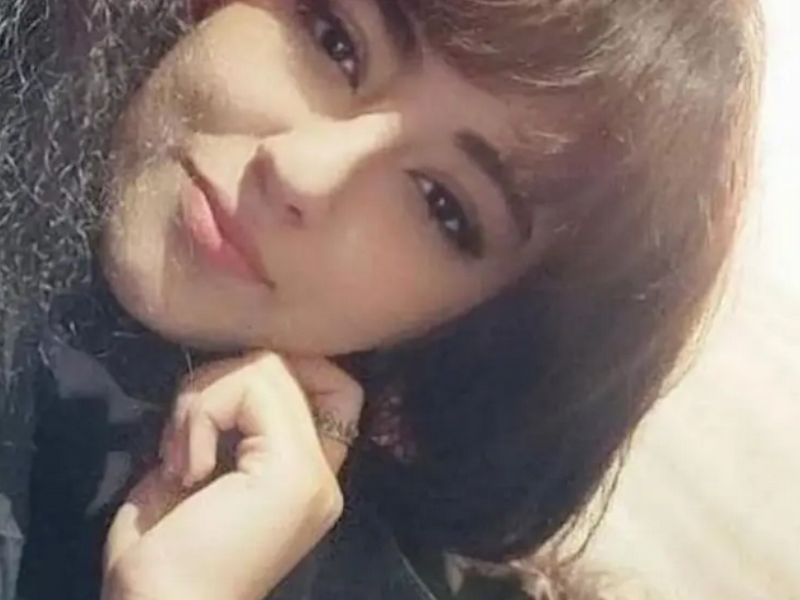
Nika Shakarami
Nika Shakarami (October 2, 2005 - September 20, 2022)
16-year-old Iranian girl :contentReference disappeared in Tehran during nationwide protests that followed the death of :contentReference. Reports indicate that she was detained by security forces and later killed. Her case gained widespread international attention and became emblematic of the protest movement.
Background
Nika Shakarami was born on 2 October 2005 in :contentReference. She belonged to a Lur family and moved to :contentReference after the death of her father. There, she lived with her aunt and worked in a café. Publicly available information about her personal life remains limited.
Disappearance and Death
Participation in Protests
Shakarami participated in demonstrations in Tehran as part of the broader protests advocating women’s rights and opposing state repression. She was last seen on Keshavarz Boulevard.
Last Communication
Her last known communication was a message sent to a friend stating that she was being chased by security forces. Shortly thereafter, all contact ceased, and her social media accounts were deleted.
Discovery of the Body
Approximately ten days after her disappearance, her family was informed that her body had been located at the Kahrizak morgue. Authorities initially claimed she died after falling from a height. However, family members reported injuries consistent with severe physical violence.
Conflicting Narratives
Iranian authorities presented multiple, inconsistent accounts of her death. In contrast, international reporting and a leaked document in 2024 suggested that she was detained, assaulted, and killed by security forces.
Government Response
Authorities denied wrongdoing and reportedly attempted to control the narrative surrounding her death. Family members were allegedly pressured to support official accounts. Reports also indicate that her body was buried at a different location without the family’s consent to prevent public gatherings.
Burial and Public Reaction
The family initially planned a funeral in Khorramabad, which was reportedly obstructed by security forces. Despite restrictions, large gatherings occurred at memorial events. Some of these gatherings were reportedly met with force by authorities.
Role in the Protest Movement
Alongside other victims such as :contentReference and :contentReference, Shakarami became a symbolic figure of the protests. Her case contributed to increased mobilization, particularly among young women and students.
International Reception
The case received extensive international media coverage and widespread attention on social media. Human rights organizations cited it as an example of alleged state repression and criticized the lack of transparency in official accounts.
Conclusion
The case of Nika Shakarami highlights the broader tensions between state authority and public protest in Iran. Conflicting narratives, alleged coercion of family members, and international scrutiny raise ongoing questions regarding accountability, human rights, and freedom of information.

اسنادی که سرویس جهانی بیبیسی به دست آورده و تایید شده حاکی از آن است نیکا شاکرمی، دختر نوجوان شرکت کننده در اعتراضات ۱۴۰۱، پس از دستگیری مورد تعرض جنسی و ضرب و جرح قرار گرفته و بر اثر ضربات سه مامور امنیتی کشته شده است.
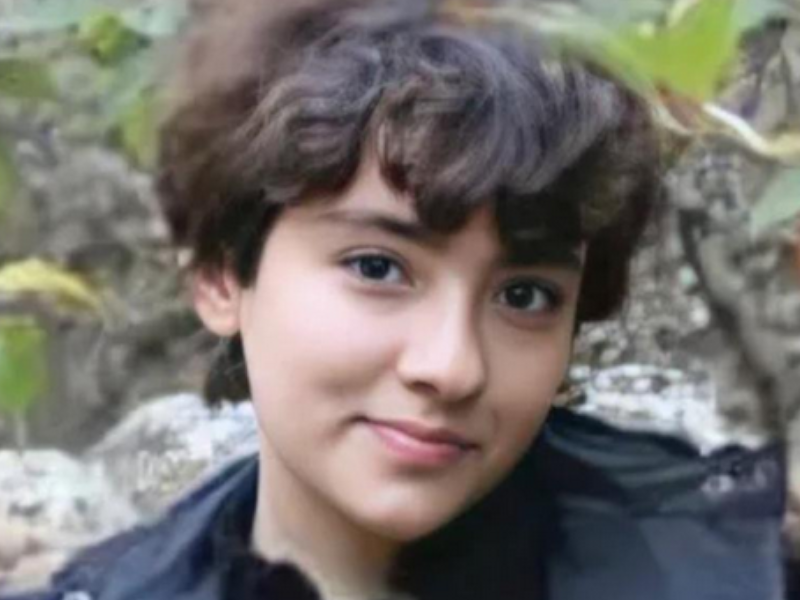
سازمان ملل گزارش کشتهشدن نیکا شاکرمی را «بسیار نگرانکننده» خواند

نیکا دختری دلیر و معترضی پیشتاز بود که حضور فعالی در اعتراضات انقلاب ۲۵۸۱ داشت. او بدست نیروهای رژيم تبهکار اسلامی ربوده، شکنجه و به قتل رسید.