 پارسی
پارسی
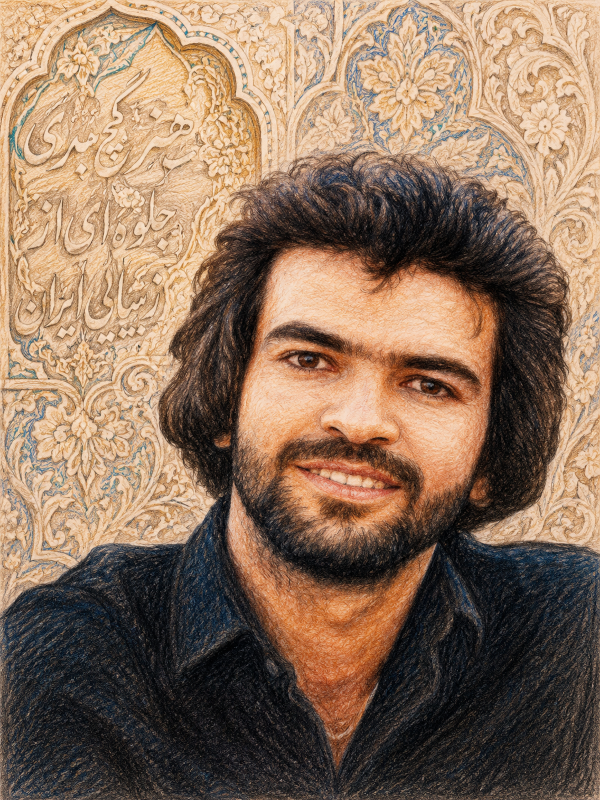
Khodanour Lejhaei
Khodanour Lejhaei (October 2, 1995 – October 2, 2022)
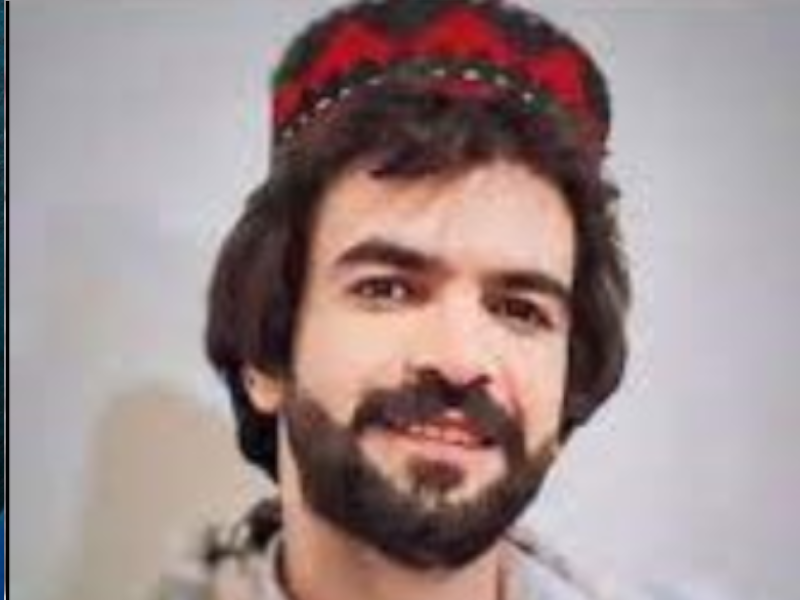
Khodanour Lejhaei was born on October 2, 1995 in Zahedan. He was a Baluch, Sunni Muslim young man who lived in the marginalized neighborhood of Shirabad. Growing up in a disadvantaged family, he faced significant social limitations, including the lack of official identity documents. He was the only son in a family with eight sisters. Khodanour worked as a plasterer and was also active on Instagram, where he had a considerable following. His videos—especially those showing him dancing—reflected a simple yet lively personality.
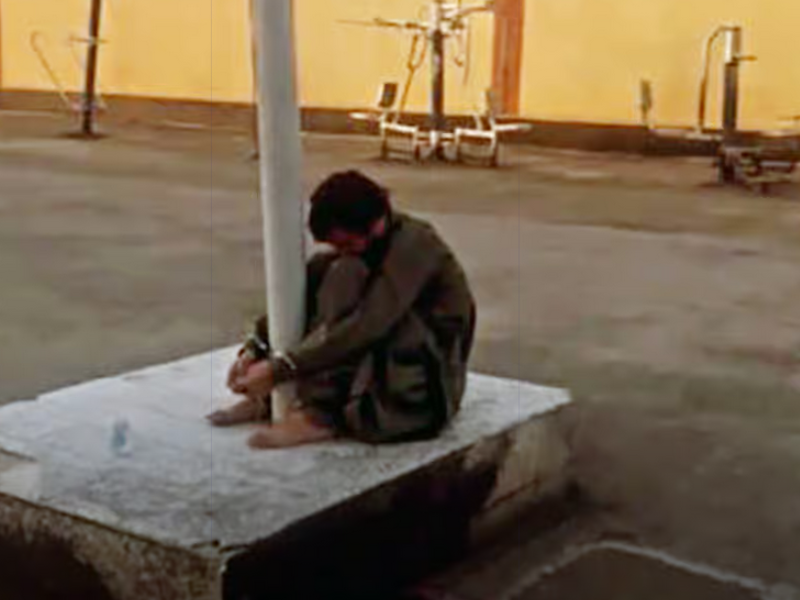
In July 2022, he was arrested following a verbal altercation with a member or affiliate of the بسیج (Basij militia). According to accounts from relatives, he was subjected to physical abuse during detention and was tied for hours to a pole in a police station yard. An image of him in this მდგომარეობ—his hands bound to a pole, with a glass of water placed just out of reach—circulated widely on social media and became a symbol of humiliation and mistreatment. After some time, and reportedly following significant financial efforts by his family, he was released.
Official accounts presented a different version of his identity and background, claiming he had a criminal record and even identifying him under another name. These claims were disputed by his family and questioned by independent sources.
With the outbreak of nationwide protests in autumn 2022, Khodanour, like many young people in Zahedan, was present in the tense atmosphere. On October 1, 2022, one day after what became known as the “Bloody Friday of Zahedan,” he was shot in the kidney during unrest involving gunfire. He was taken to the Social Security Hospital in Zahedan, but according to reports, he did not receive adequate medical treatment.
On October 2, 2022—his 27th birthday—he died from his injuries. According to local accounts, before his death he asked others to help him and expressed concern for his mother and sisters, who depended on him.
His death had a profound impact on his family. One of his sisters reportedly died shortly afterward due to the emotional shock. The tragedy highlighted the deeply human cost of the events.
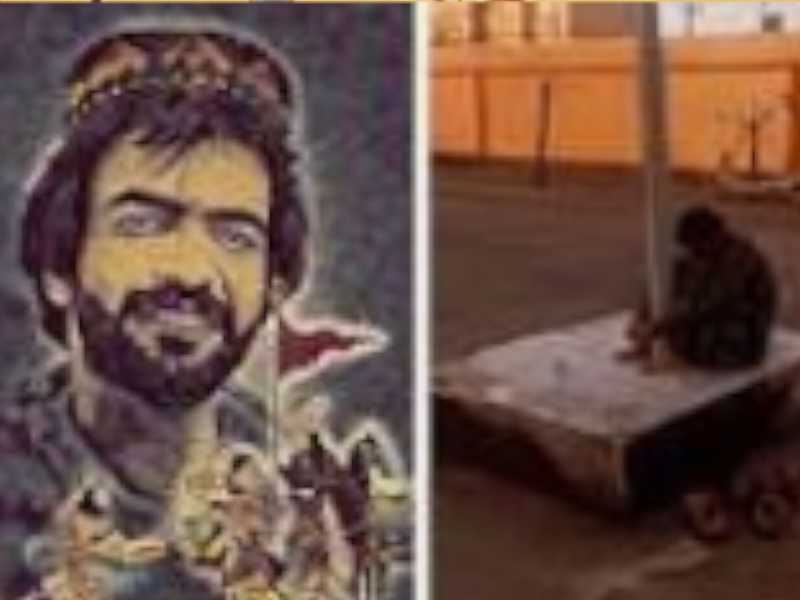
Khodanour’s death resonated widely in society. The image from his detention inspired numerous acts of protest and artistic expression. During memorial gatherings, demonstrators reenacted the scene of being tied to a pole to honor his memory. Artists, students, and even athletes referenced his story in symbolic performances, keeping his name alive in public memory.
Meanwhile, official authorities maintained a different narrative, stating that he was killed during an armed confrontation while committing a crime. This account, like others in similar cases, was met with skepticism, and the results of any official investigation have not been transparently published.
Throughout his short life, Khodanour experienced multiple layers of marginalization—poverty, lack of legal identity, and ethnic and religious discrimination. Yet after his death, he became a symbol for many, representing injustice, suffering, and the demand for change.
He was once an ordinary young man with simple hopes. In death, he became part of a larger story that continues to resonate.